Induction Bending
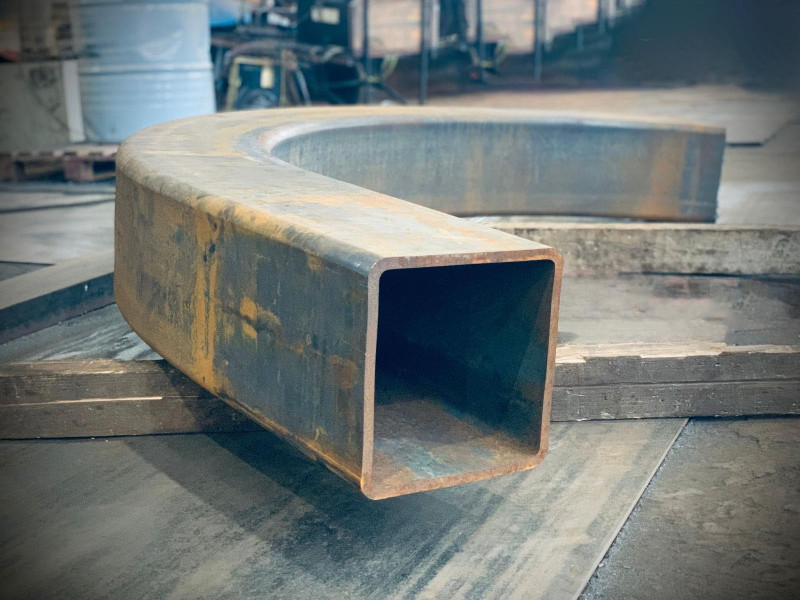
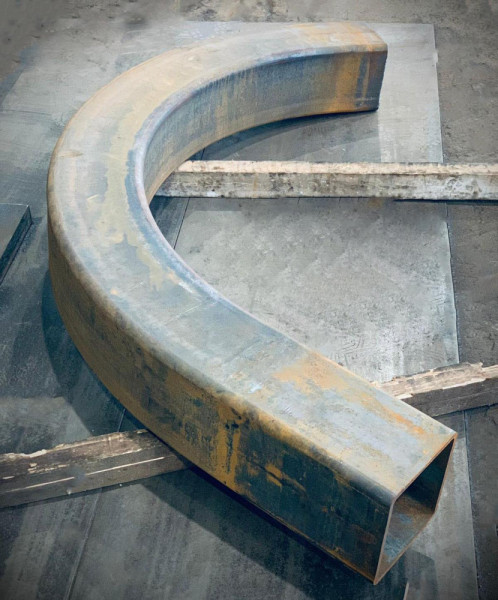
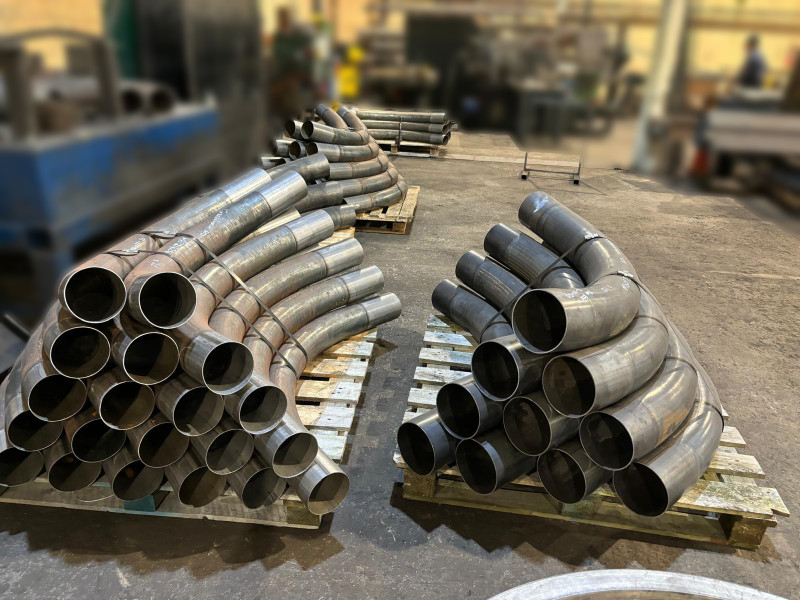
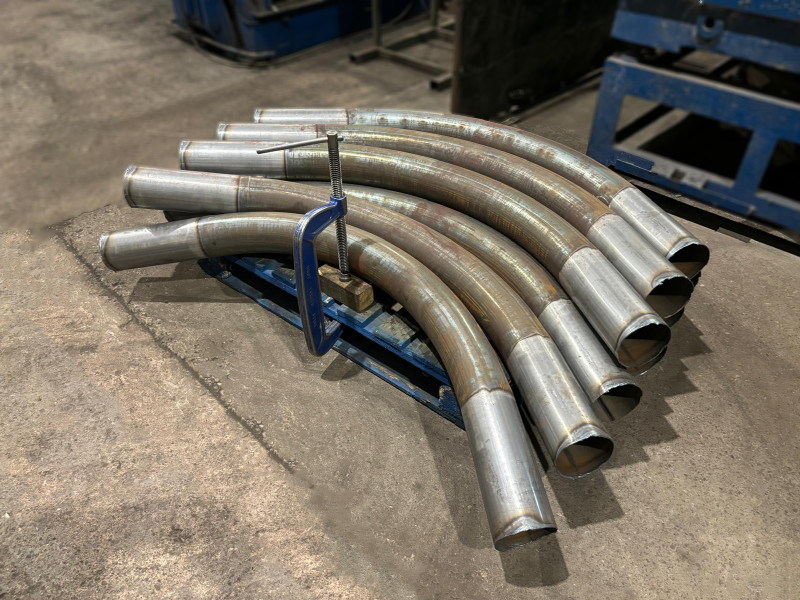
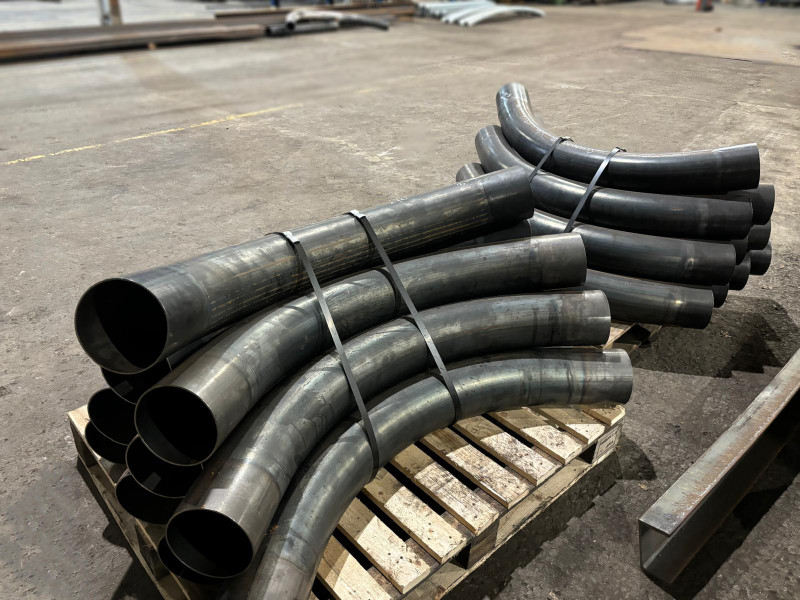
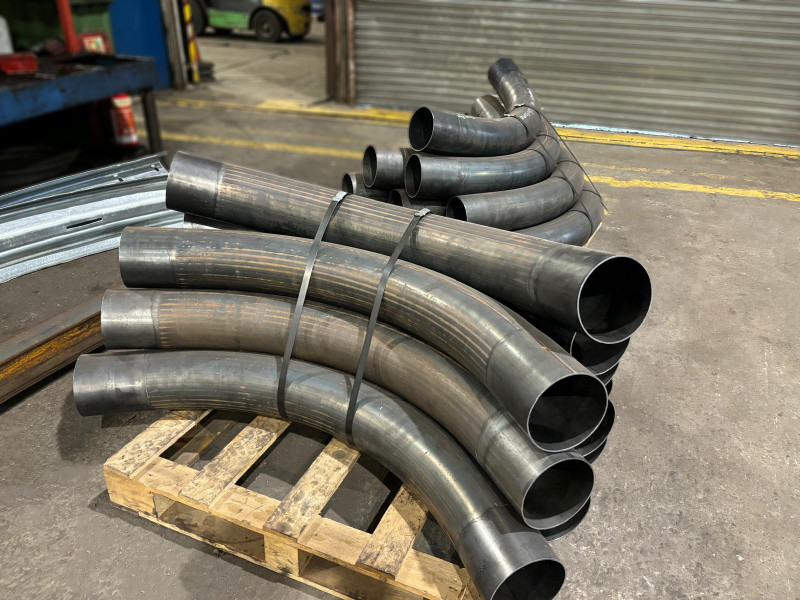
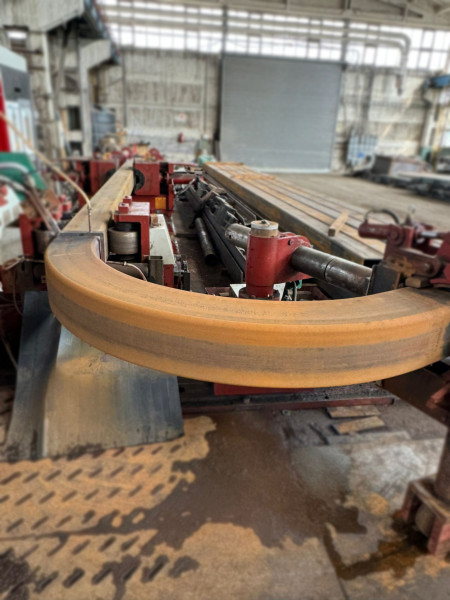
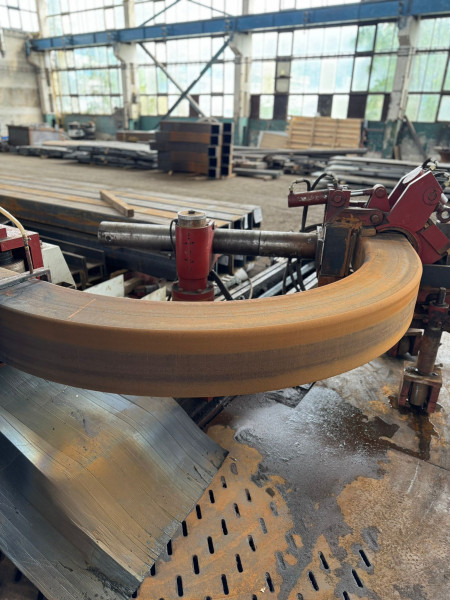
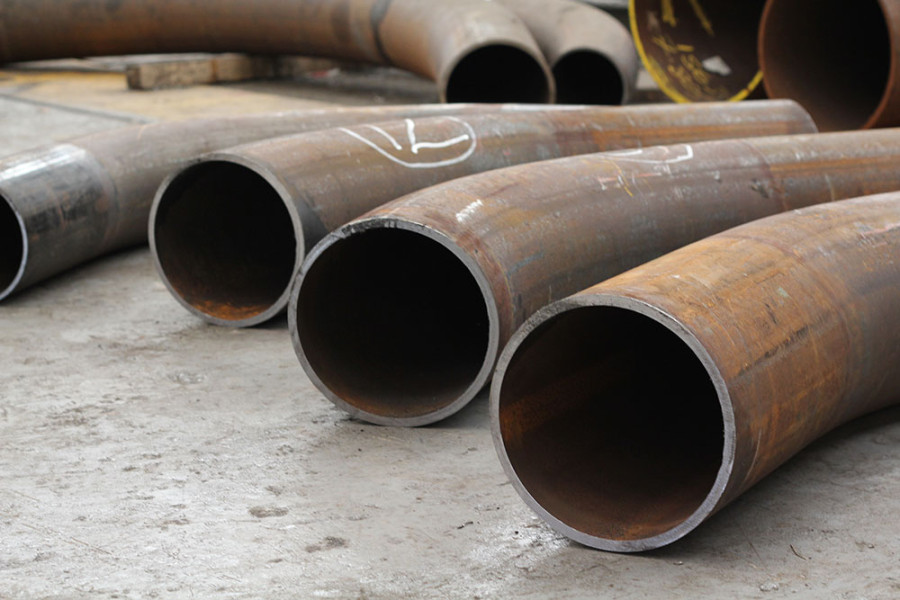
Induction bending by Barnshaws is an advanced metal bending process, offering optimum precision, efficiency and consistency. It is suitable for a very wide range of applications and completely overcomes the potential limitations of cold bending techniques, such as distortion and wall thinning.
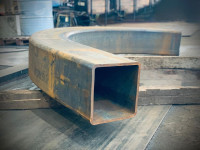
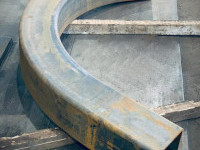
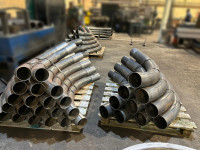
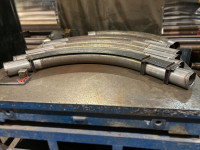
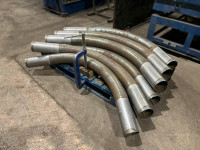
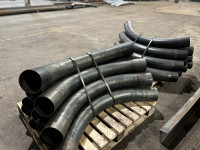
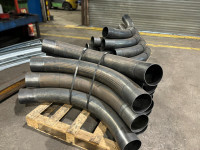
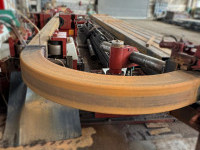
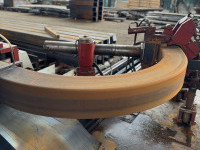
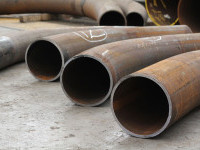
Key Features
- Induction pipe bending from 50.8mm (2”) up to 813mm (32”) outside diameter and up to 50mm thickness.
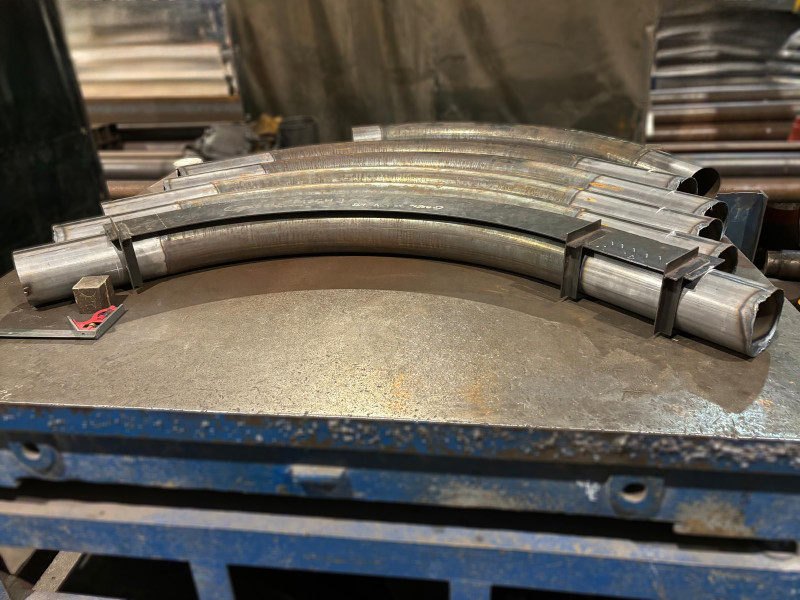
- RHS bent about minor axis up to 500 x 300 x 20
- SHS up to 400 x 400 x 20
- UB and UC up to 500mm
- Sections can be curved to smaller radii than with cold bending techniques.
- Surface unaffected by the process.
- Multiple bends are possible on a single length of pipe.
- Reduced welding requirement with compound bends, improving finished pipework integrity.
- Faster and more energy efficient than traditional hot bending methods.
- Certification available, describing all key aspects of the induction bending process at a component-specific level, if required.
MATERIALS FOR INDUCTION BENDING
- Carbon steel
- Alloy steel (low, medium, high)
- Chrome, molybdenum steel
- Case-hardened and tempered steels
- Heat-resistant and high-temperature steels
- Low-temperature steels
- Stainless steel and acid-resistant steel
- Super Duplex stainless steel
- Clad carbon steels (internally clad)
- Tubes and pipes (seamless or welded)
POST MANUFACTURING PROCESSES
- Weld preparation
- Hydrostatic pressure testing
- Heat treatment and cleaning
- Coating and surface treatments
- In-house and third-party inspection and mechanical and non-destructive testing
TYPES OF BENDS
- Quarter 90° bend
- Angle bend 0-120°
- Cross over bend
- S-bend/offset bend


-

Barnshaws Deliver Curve Appeal to Manchester Victoria Station
Case Study -

Barnshaws Curve Largest Tube
Case Study
Get A Quote

- West Midlands - Tividale
- Tel: 0121 557 8261
- sectionbending@barnshaws.com